Essay · Silicon and Succession · 01
I Was Inspired by Jobs. I Invested Under Cook.
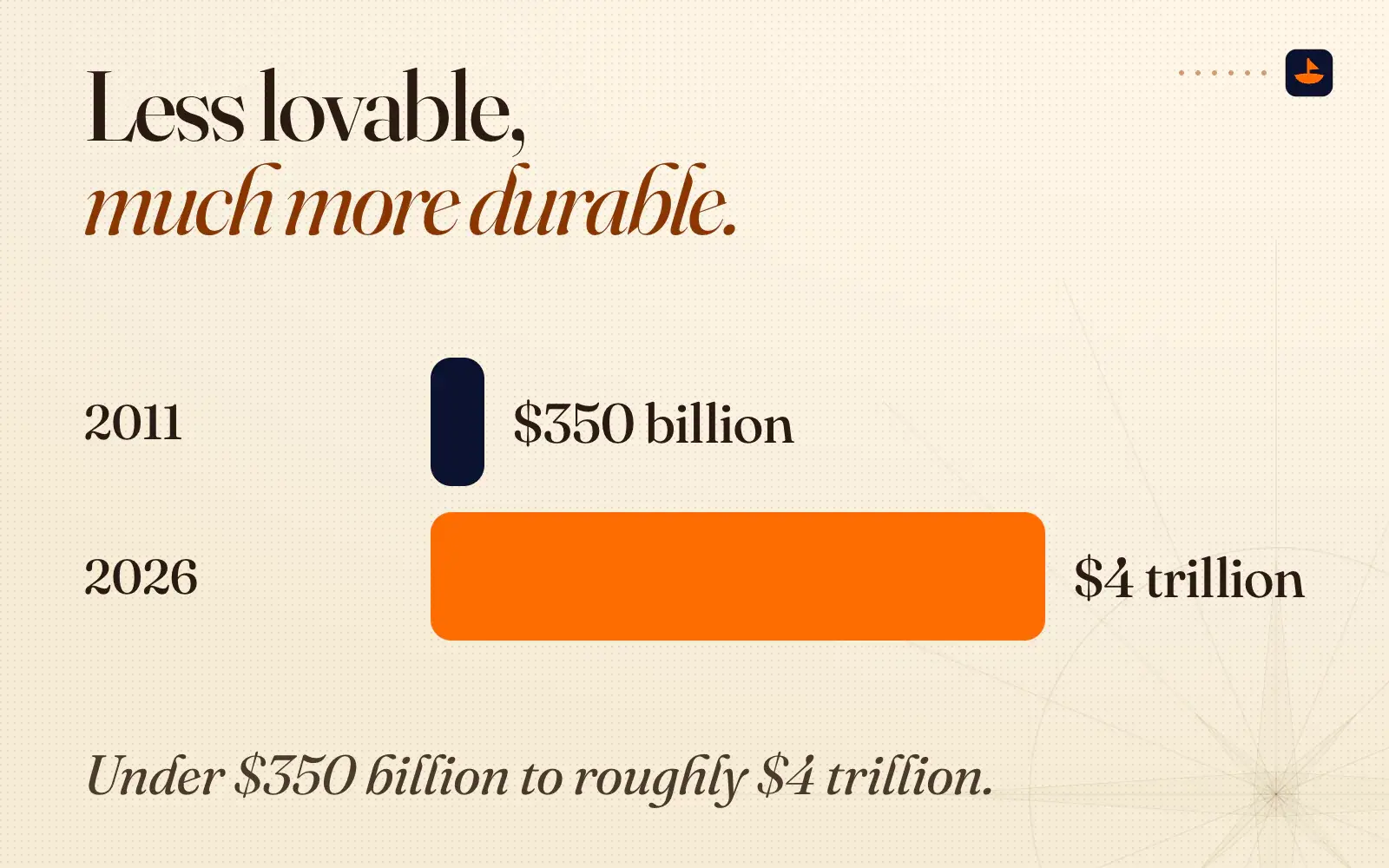
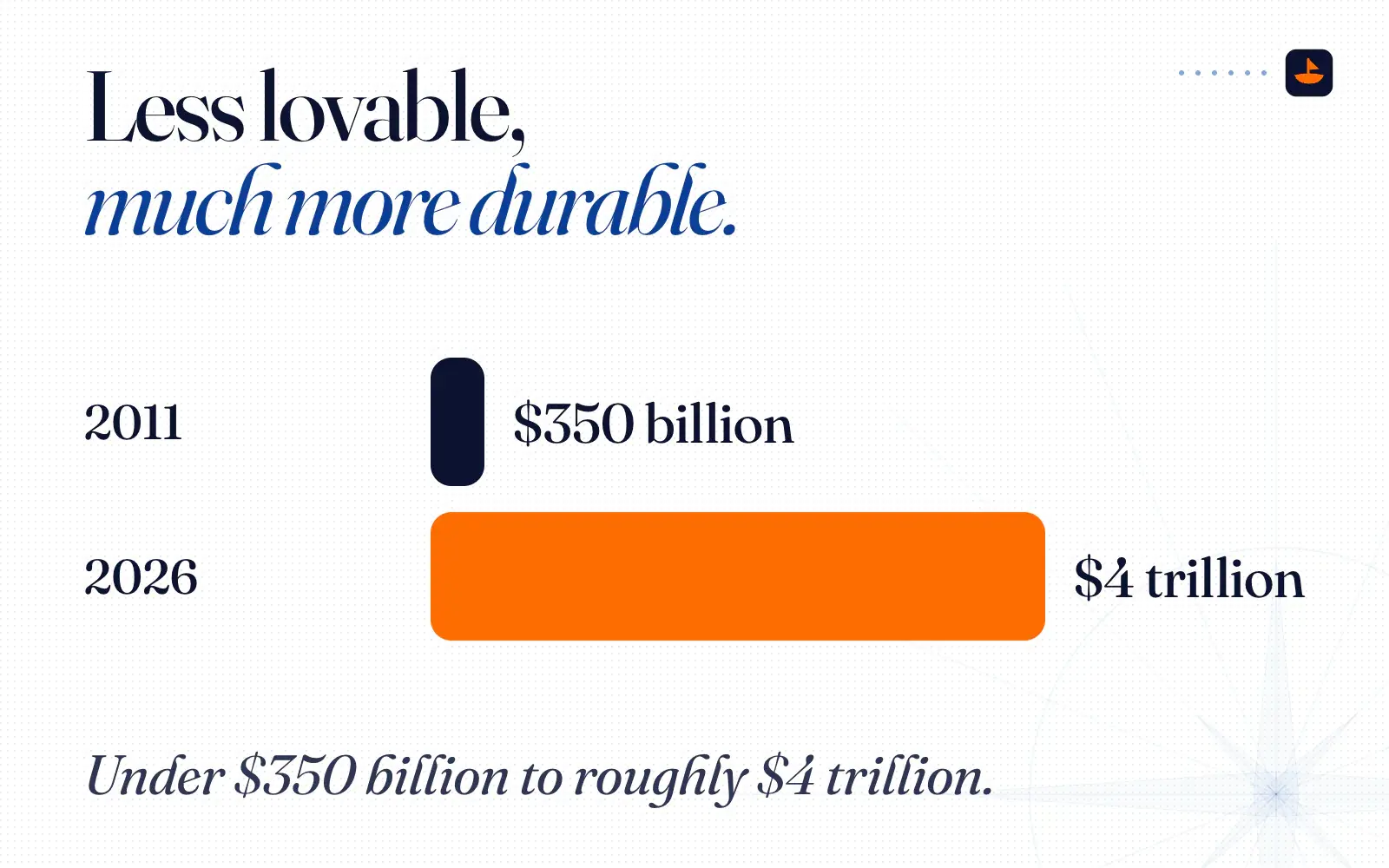
Tim Cook ran Apple for 15 years and took it from $350 billion to $4 trillion. This week everyone is explaining what he was not. I want to spend some time on what he was.
In 1998, Apple was sitting on roughly $400 million of unsold Macs, losing value every week they sat still. Tim Cook was hired to fix it.
Seven months later that number was $78 million. He took inventory from 30 days down to 6 by that October, and to 2 days by 1999. He closed 10 of Apple's 19 warehouses. He cut the component supplier list from about 100 down to 24 and made the survivors fight each other for the business.
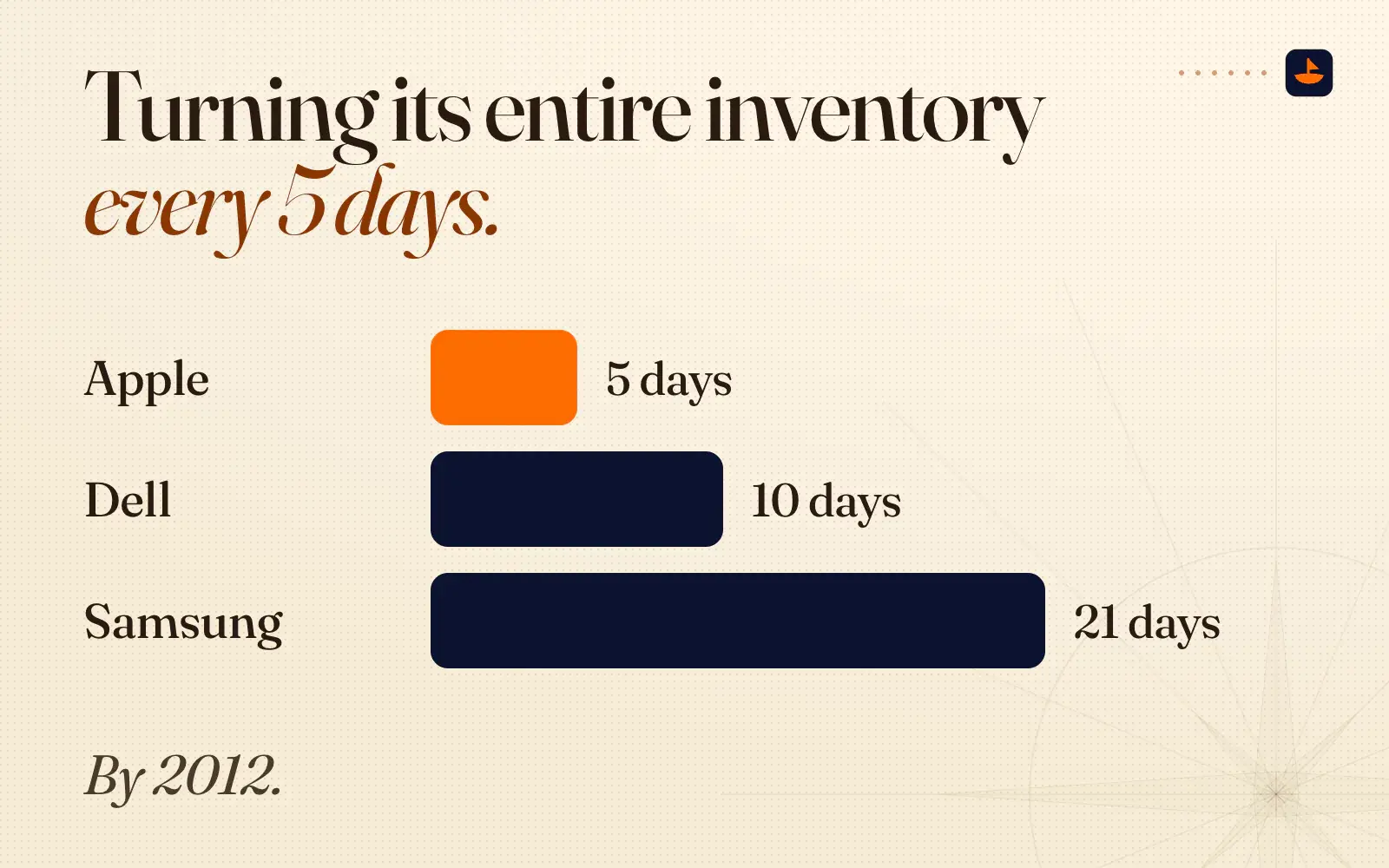
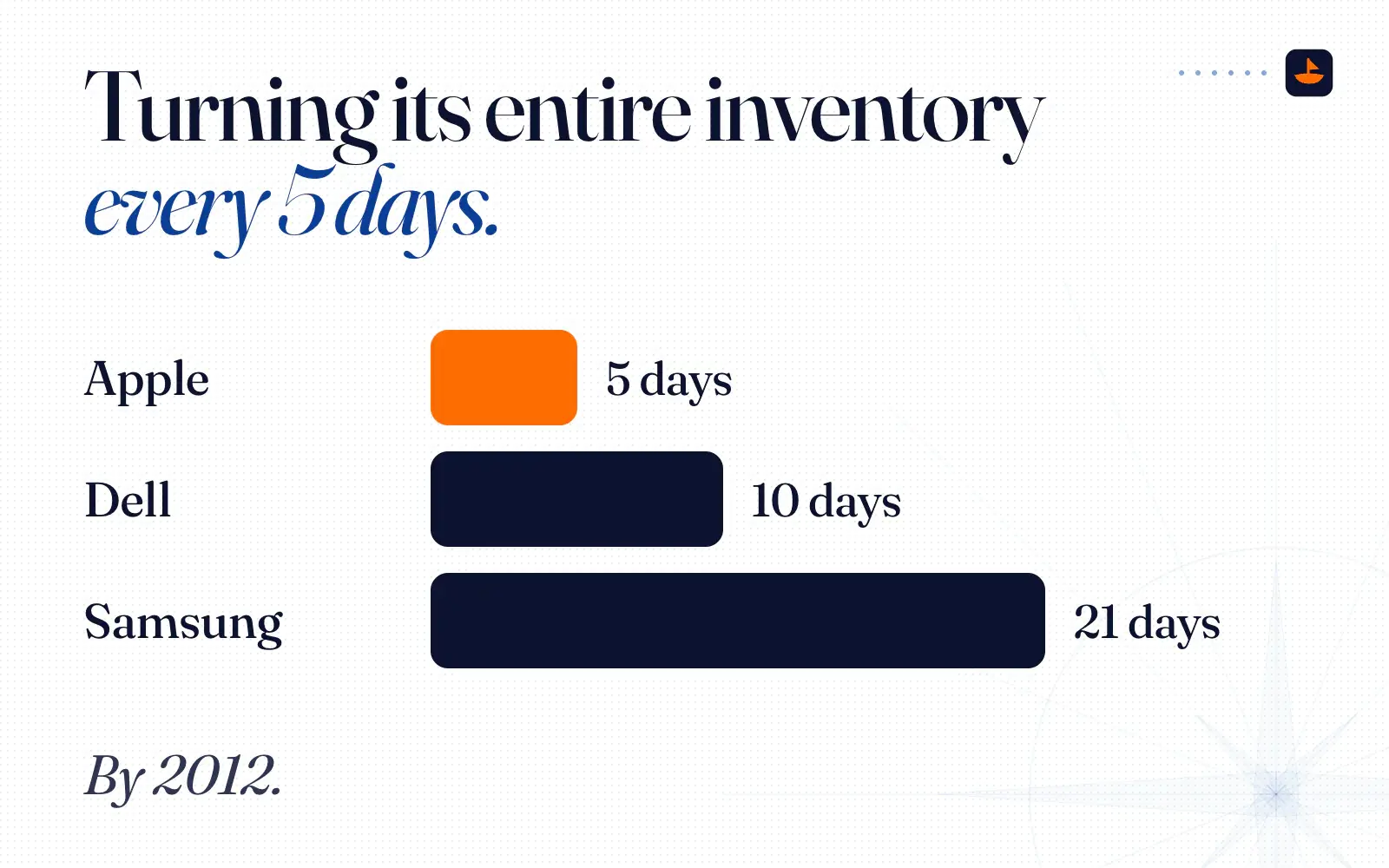
By 2012, Apple was turning its entire inventory every 5 days. Dell was at 10. Samsung was at 21.
I know how that reads. Warehouse counts and supplier consolidation are not what anybody puts on a poster. But if you have ever actually run a business, you know exactly what those numbers are, and they are close to sexy. Inventory sitting still is money on fire. Cook walked into a company burning it, put the fire out in under a year, and then kept it out for two decades.
That is the boring operations work that paid for everything you remember. The iPod. The iPhone. The stores. The ads you can still quote from memory. None of it happens inside a business bleeding cash into a warehouse.
And here is the part people skip when they line him up against Steve: it is exactly what Steve hired him to do. Jobs did not want a second Jobs. He wanted the machine underneath him to stop failing, so he could go do the famous part. Cook did that, precisely, for thirteen years before he was ever handed the company.
Tim Cook succeeded at the job Steve Jobs actually gave him.
He stepped down on August 31 after 15 more years doing a much bigger version of it.
What I am writing this month
This is the first of a series running every weekday in September. Appreciation and criticism of Apple under Tim Cook, the handoff to John Ternus, and where I think all of this is going.
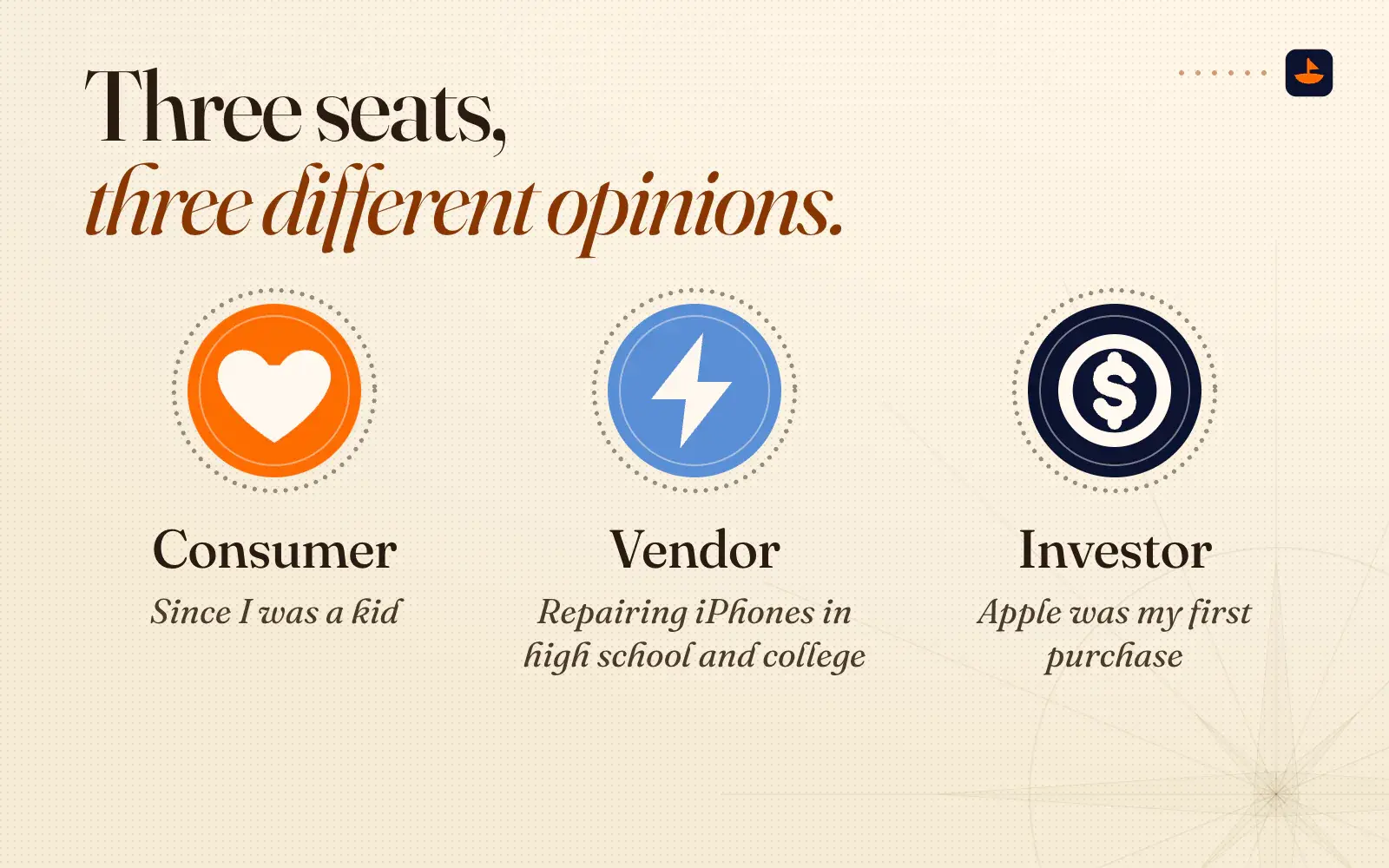
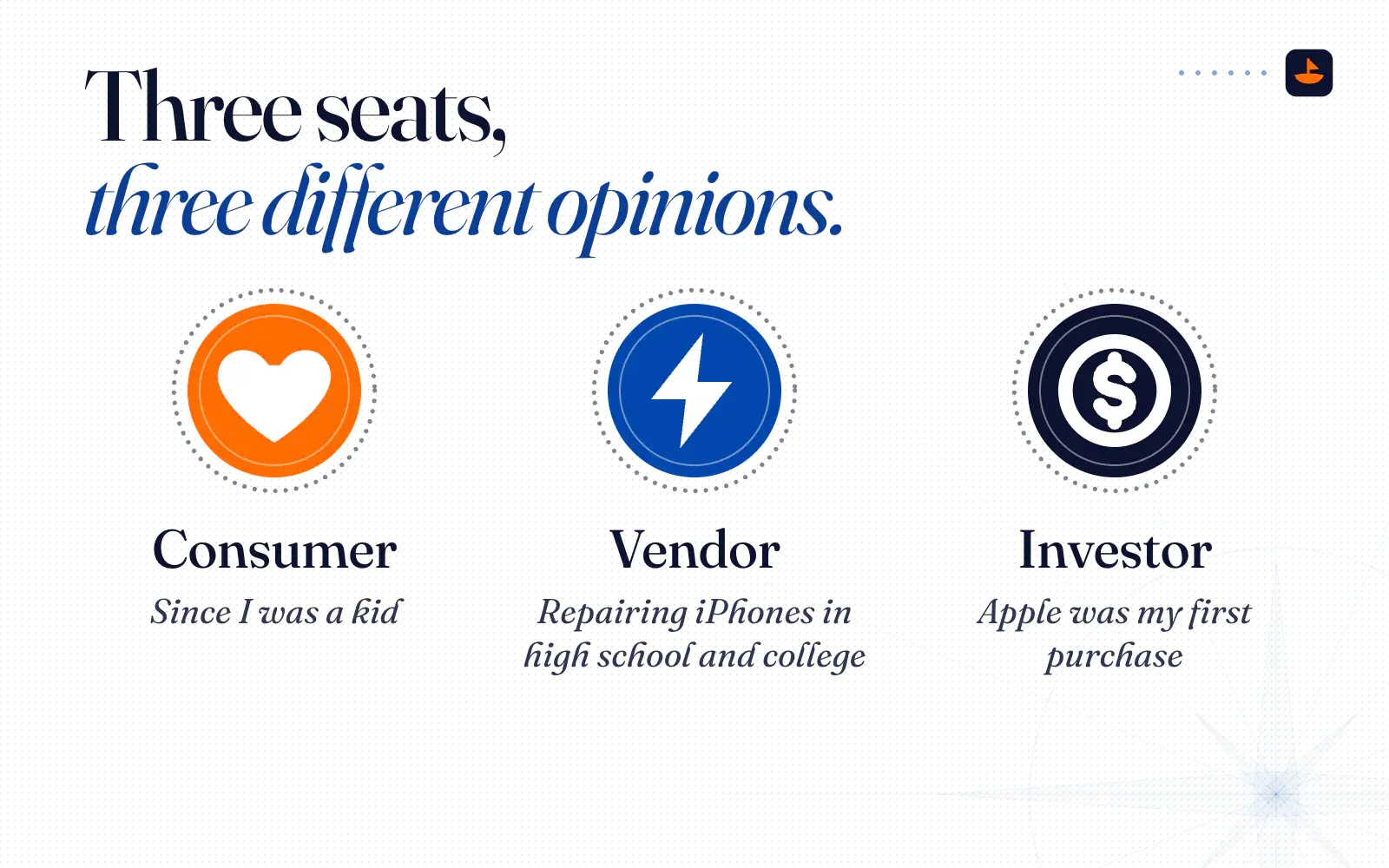
I have been inside the Apple ecosystem three different ways, and the three of them argue with each other constantly:
- As a starry-eyed consumer, since I was a kid.
- As a vendor, because one of the first companies I started was repairing iPhones in high school and college for local students and families.
- As an investor, since the first brokerage account I was old enough to open. Apple was my first purchase.
Those three seats produce three different opinions about the same 15 years, and I am going to give you all three.
Then I am going to get into the part I actually care about: the September 9 event, and my read on compute, LLMs, and where thinking is going to physically happen over the next decade. I have positions there that are not the consensus, and one of them got confirmed in public on August 25.
Start with Tim.
I fixed iPhones before I owned any of the company
One of the first companies I started was an iPhone repair business. High school through college, working on phones for local students and families. Pentalobe drivers, suction cups, the little plastic spudger, and a lot of ruined display cables before I got good at it.
I was a teenager taking apart the most desirable object in consumer electronics on a desk in my house, mostly to find out how it was put together, and then discovering that people would pay me to do it to theirs.
Cook took the CEO job on August 24, 2011, right in the middle of that. Steve died six weeks later.
So my whole adult relationship with Apple has been the Cook era. I was inspired by Jobs the way everyone my age was inspired by Jobs: from a distance, through keynotes and books, watching a person will things into existence. But I never owned Apple stock under Steve. I was not old enough to open a brokerage account.
I opened one under Tim, and Apple was the first thing I bought.
Grading him against Steve is not a fair test
The dunk on Cook writes itself, and I have watched a hundred people write it this week. No new categories. The Car, cancelled after a decade and billions spent. Vision Pro, his personal swing, sitting in closets. Siri, still Siri. An iPhone that got a bigger camera bump and a new color every September.
All of that is true. It is also the wrong scoreboard.
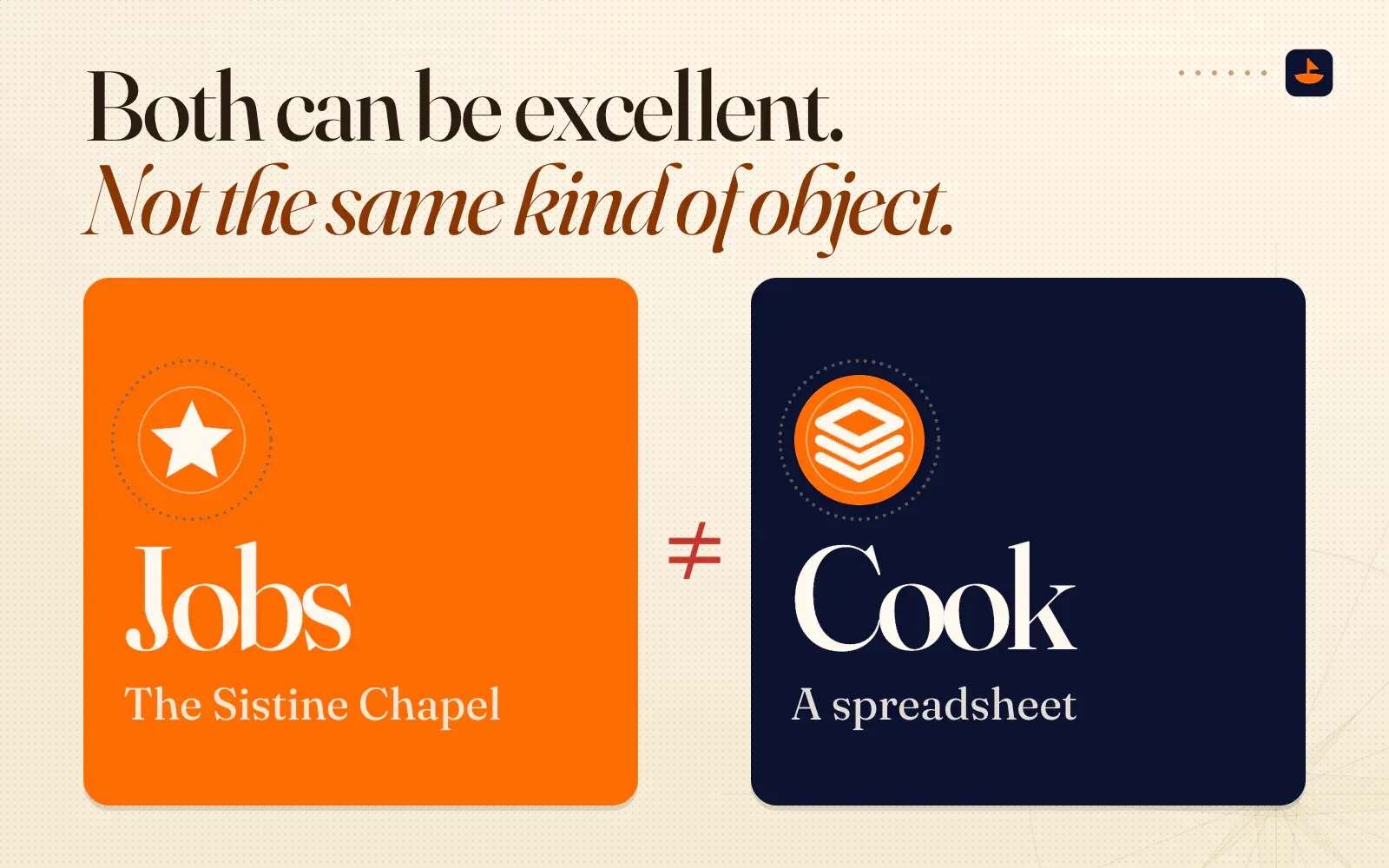
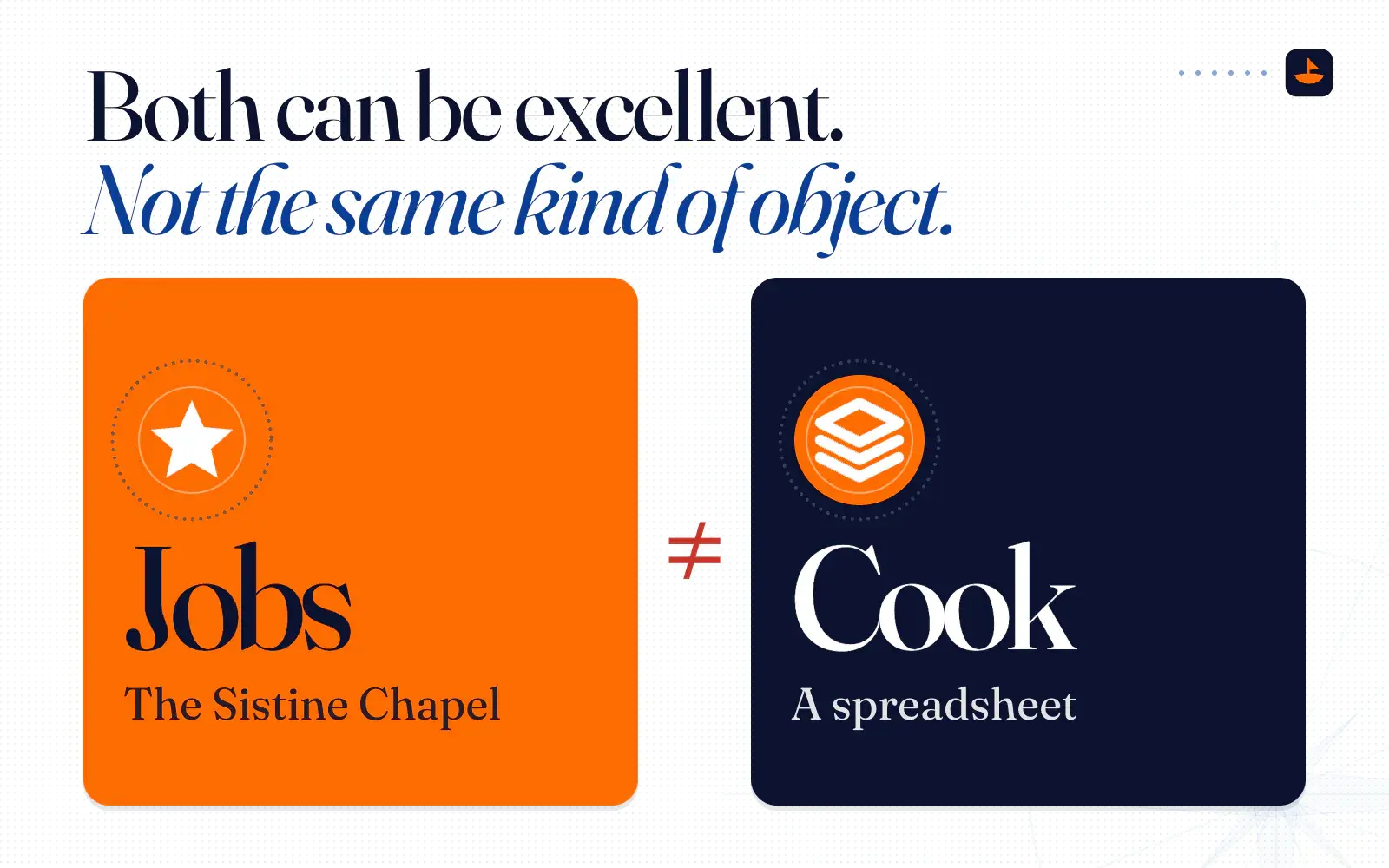
Grading Cook against Jobs is like grading the Sistine Chapel against a spreadsheet. Both can be excellent. They are not the same kind of object, they were not made for the same reason, and the tools you use to judge one tell you nothing useful about the other. Put the ceiling in front of an accountant and he will tell you it came in late and over budget. He will also be right.
I was a product guy first
I need to say where I am standing, because it shapes how I read this.
I came up as a product person. I took night classes during college and got a product management certification from General Assembly. I shipped software. I shipped physical things too, which meant CAD, 3D printing, laser engraving, injection molding, and a lot of expensive lessons about tolerances. I had contracts with some very good tech companies in San Francisco. Eventually I started a product research and design agency, running the prototyping stage for other brands so they could get to a real physical object faster.
Product was my identity.
Then I started working remotely, and product work quietly stopped being available to me. Not the interest. The conditions. You cannot iterate on physical prototypes from a different country every few weeks.
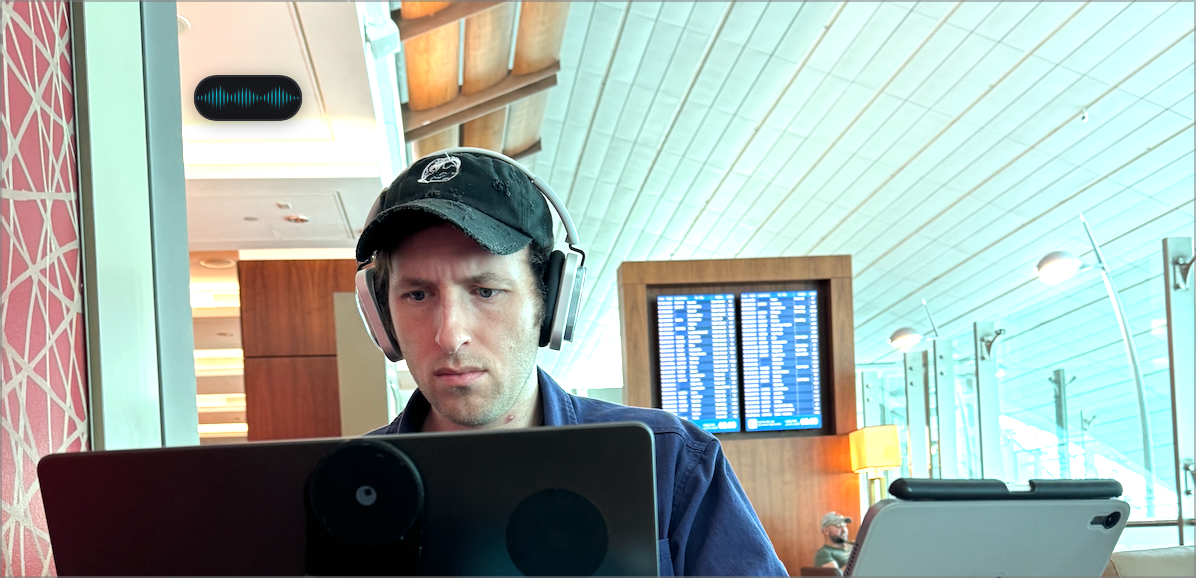
More to the point: operations was the only real value I could offer. The businesses I was starting, consulting for, and investing in from the road did not need me in a room with a foam model. They needed someone who could make the thing run without being there. So that became the job, then the skill, and then the lens I see every company through, including this one.
Operations is like an airport. When it works, you notice nothing. You walk through, you get on the plane, you leave. You only find out what operations is when you are standing in a bad one at 2am. The good airport gets no credit, because the entire product of operations is the absence of a problem.
Tim Cook removed an enormous number of problems from Apple, and almost none of them have his name on them.
What it cost
I am not going to pretend the Cook era was free.
As a customer, I watched the products get a little less generous every year. More tiers, more accessories sold separately, more of the good stuff moved up a price bracket, more decisions that felt like they came out of a margin model instead of a workbench.
I was not a bystander to the bad years either. I was part of the class action over the butterfly keyboard and the Touch Bar. I owned those machines. I typed on keyboards that failed from a single crumb, on laptops that cost as much as a used car, across multiple generations, while Apple kept shipping the same design and telling people it was fine. That was a real product failure and it went on far too long.
Apple also lost a real part of its audience in those years. The misfits. The alt, punk, art school people who bought a Mac in 2003 specifically because it was not what everyone else had. That crowd mostly left, and they were right to feel what they felt.
So as a consumer, I was disappointed plenty of times.
As an investor, I watched him navigate the hardest problem in public company management and mostly get it right: extract enough value to keep shareholders paid without hollowing out the thing that produced the value in the first place. Almost nobody at that scale threads it. Most companies in Apple's position over those 15 years either stopped investing and slowly died, or chased every trend and blew themselves up. Apple did neither. It got less lovable and much more durable. Under $350 billion to roughly $4 trillion.
Both of those things are true at once. I hold both.
What the supply chain looked like from the road
There is a version of this you only learn if you leave.
I have run businesses out of a backpack for about ten years, started multiple companies from a MacBook, an iPhone, and an iPad, in a lot of countries, on a lot of bad wifi.
When my phone broke in Thailand, I got it fixed in Thailand. When my laptop had a problem in Belgium, I got it fixed in Belgium, usually within a day. Not shipped somewhere and returned in three weeks. Fixed, locally, while my business kept running. That happened over and over, in countries where I did not speak the language and had no relationships and no leverage.
Is it expensive? Yes. Apple charges for that, and service is a real business for them rather than a cost center they tolerate. I have paid those bills without much complaint, because the alternative was a dead week.
That is not a design story. That is a supply chain and a service network, built deliberately, over decades, by the operations guy. It is a large part of why my working life has been possible at all.
Where this goes next
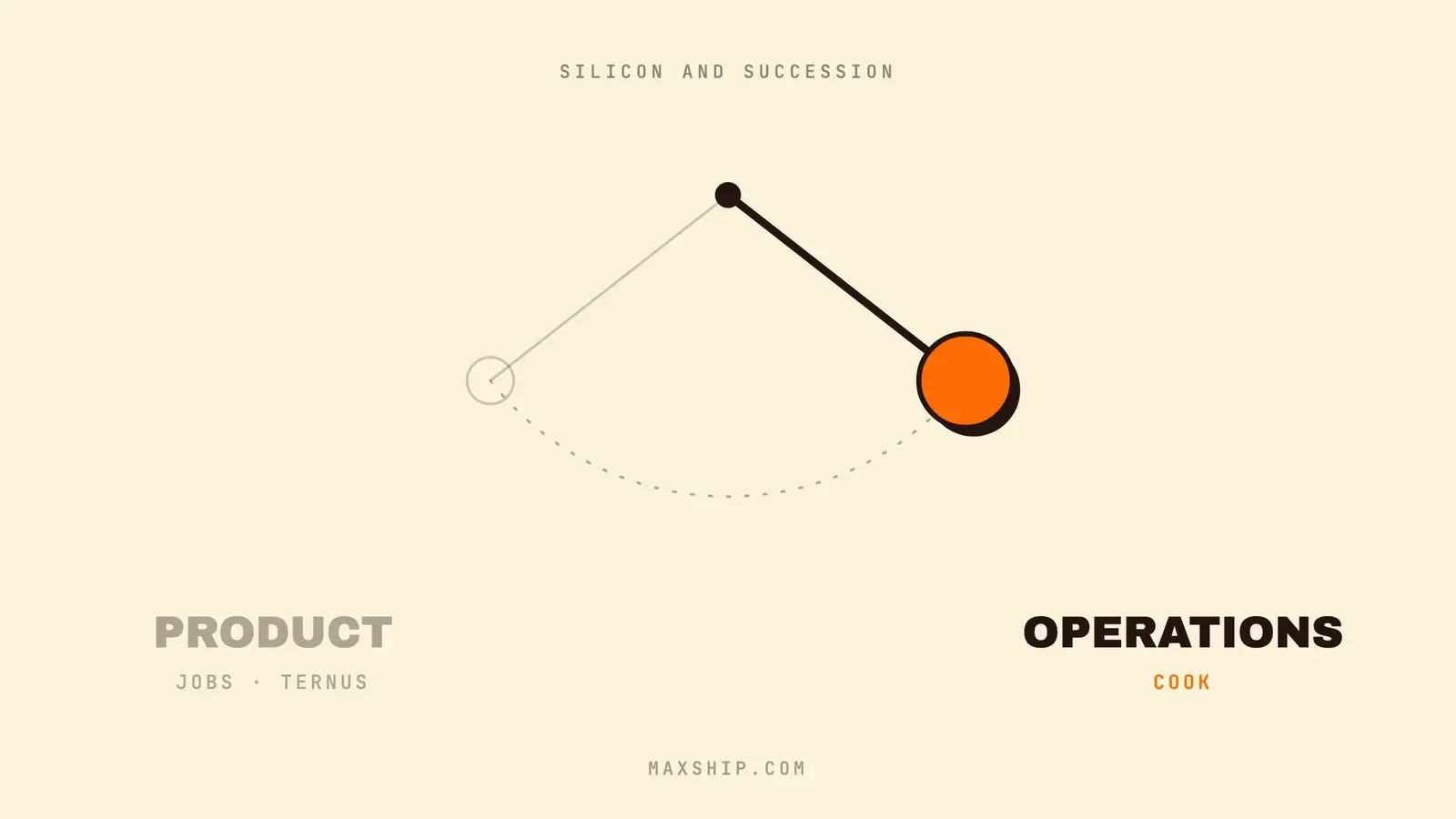
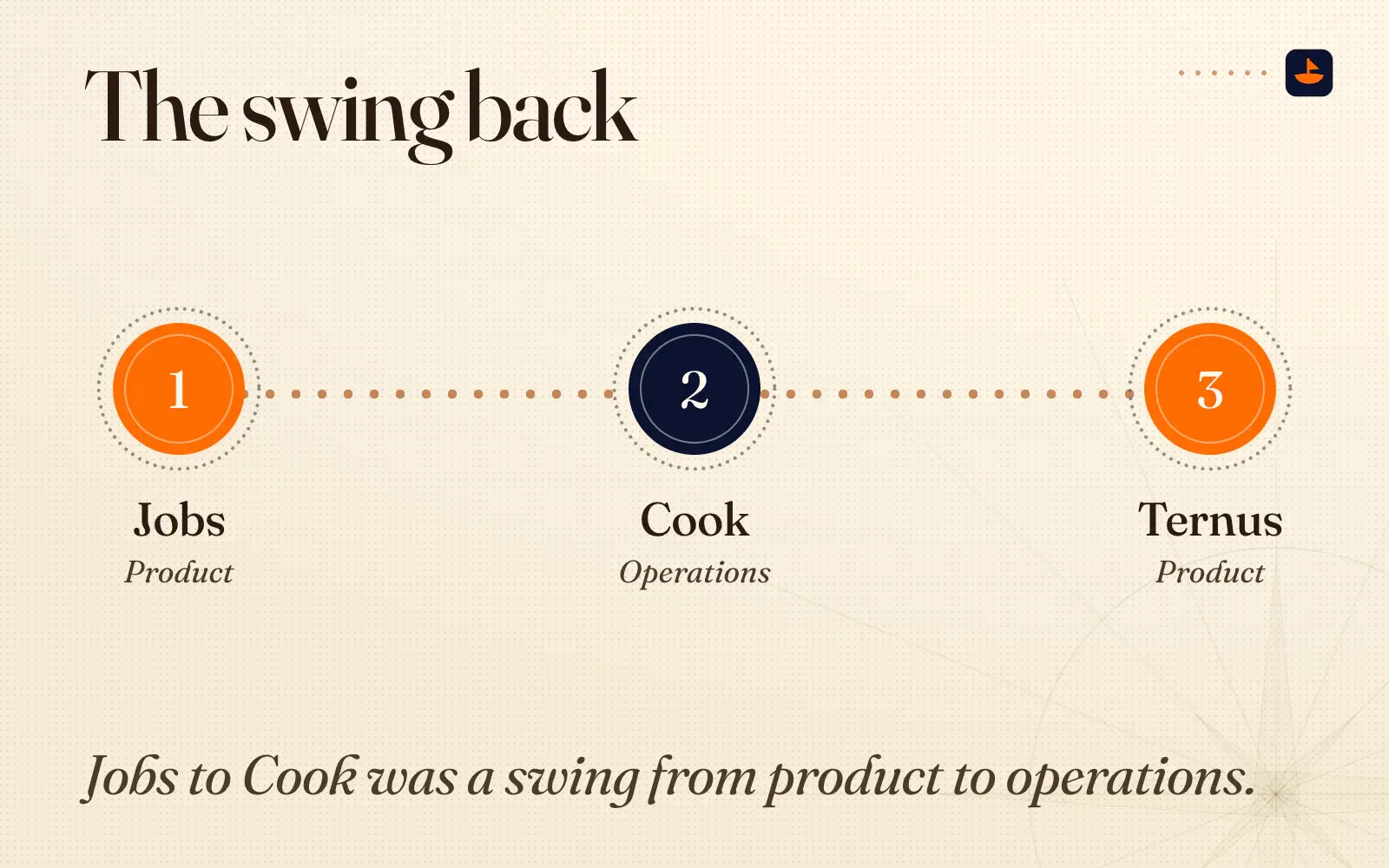
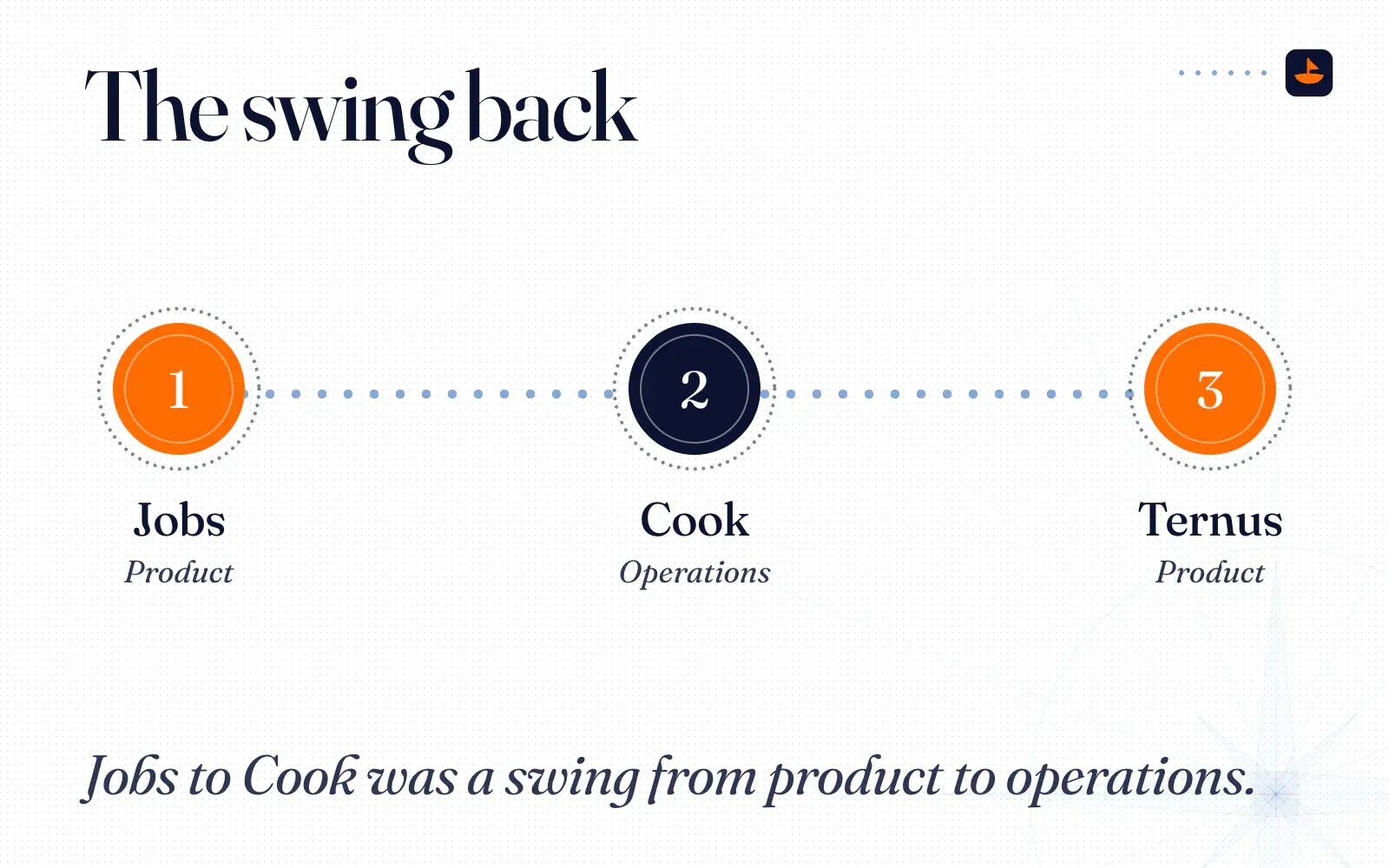
Jobs to Cook was a swing from product to operations. That was the correct swing in 2011, and it worked.
Cook to John Ternus is the swing back. Ternus spent 25 years at Apple building things. He is a hardware engineer by training, but look at what he actually shipped: iPhone, iPad, Watch, AirPods, Mac. He is a product person who came up through the machines.
The timing is not subtle. The operational foundation is finished, and it is arguably the best one any company has ever built. What Apple needs now is not another decade of margin discipline. It needs product nerve.
The interesting question is not whether Ternus can be Steve Jobs. He cannot, nobody can, and that question is a trap. The question is what a product-driven Apple does with a $4 trillion balance sheet and the best silicon on earth, at the exact moment the entire industry is deciding where thinking is going to happen.
That is what the rest of this month is about.
For now: thank you, Tim. You were not the guy who made me love the company. You were the guy who made it worth owning.
If you want to argue with me about any of this, reach out. I am always happy to get into it.